A Land People Don’t Visit for Beauty Alone
New Guinea is one of the most remote and mysterious places on Earth, a land of jagged mountains, dense rivers, and deep cultural traditions that have survived for thousands of years. But many outsiders do not come for its beauty or history. They come because beneath those mountains lies enormous mineral wealth—gold, copper, and other resources so valuable they could have transformed the island into one of the richest places on the planet. Instead, for many local people, that wealth has brought conflict, displacement, and loss rather than prosperity. 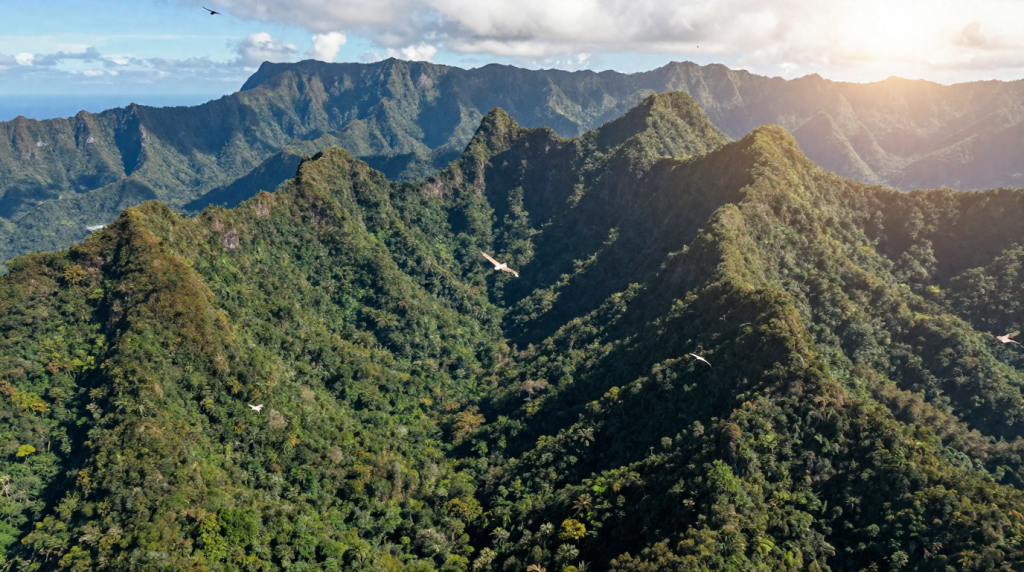
Sacred Mountains, Buried Riches
Some of New Guinea’s largest mines sit on land that indigenous communities have considered sacred for generations. In the Mimika region, on the Indonesian side of the island, the Grasberg mine became one of the richest gold and copper sites in the world. But for the people who lived there long before mining began, these mountains were never just rock. They were part of ancestry, spirituality, and identity—places where the living remained connected to the spirits of the past. When those mountains were carved open, the change was not only environmental or economic, but also deeply cultural and emotional. 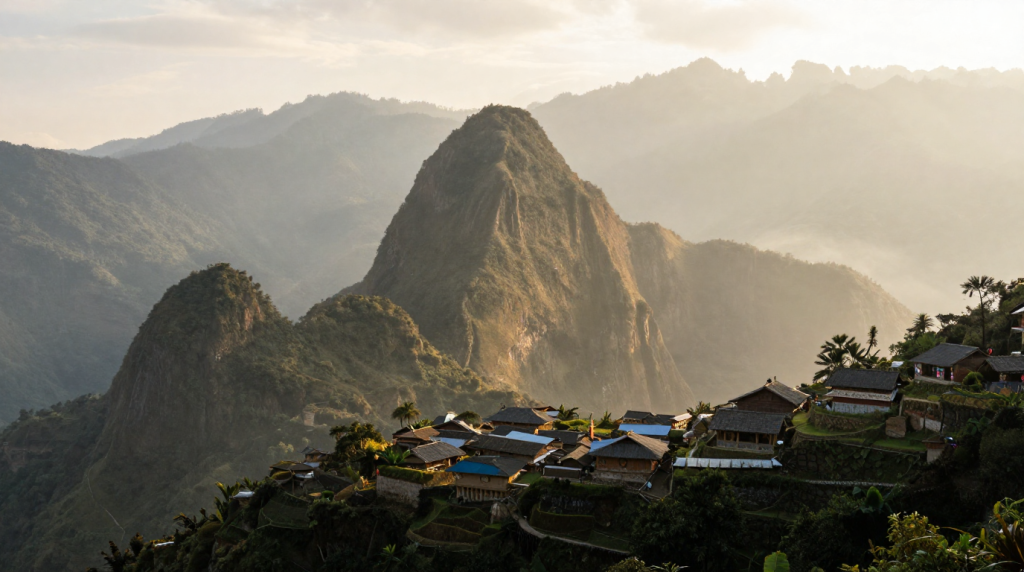
When Wealth Arrives, But Locals Lose
Once mining operations expanded, roads cut through forests, entire slopes were stripped away, and families were forced to relocate. Many local people said land was taken without fair negotiation or proper compensation, and some claimed that resistance was met with arrests, violence, and even death. Although agreements were later signed promising shared benefits and stability, many communities felt the wealth flowed outward while they were left with disruption and hardship. What should have been a story of development instead became, for many, a story of outsiders growing rich while traditional owners paid the price. 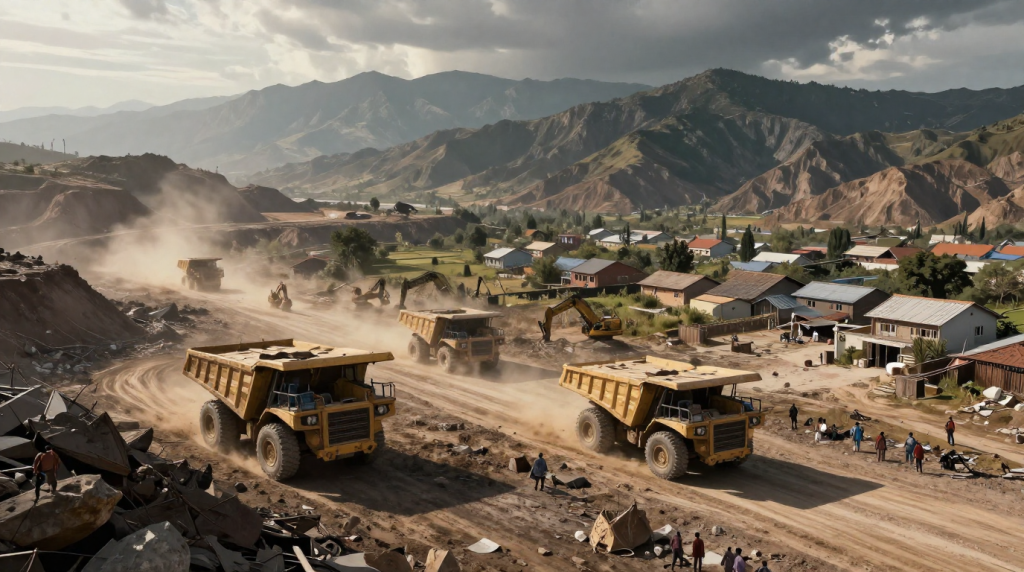
The Cost Written Into Rivers and Forests
The consequences spread beyond land ownership. Rivers once used for drinking and fishing became contaminated by mining waste, forests retreated, and fish were no longer considered safe in some areas. From a distance, mineral exports made the region look successful, generating billions of dollars and attracting global attention. But closer to the ground, the reality was far more fragile: communities living beside enormous industrial wealth often experienced environmental decline, cultural erosion, and a sense that the land no longer felt like home. 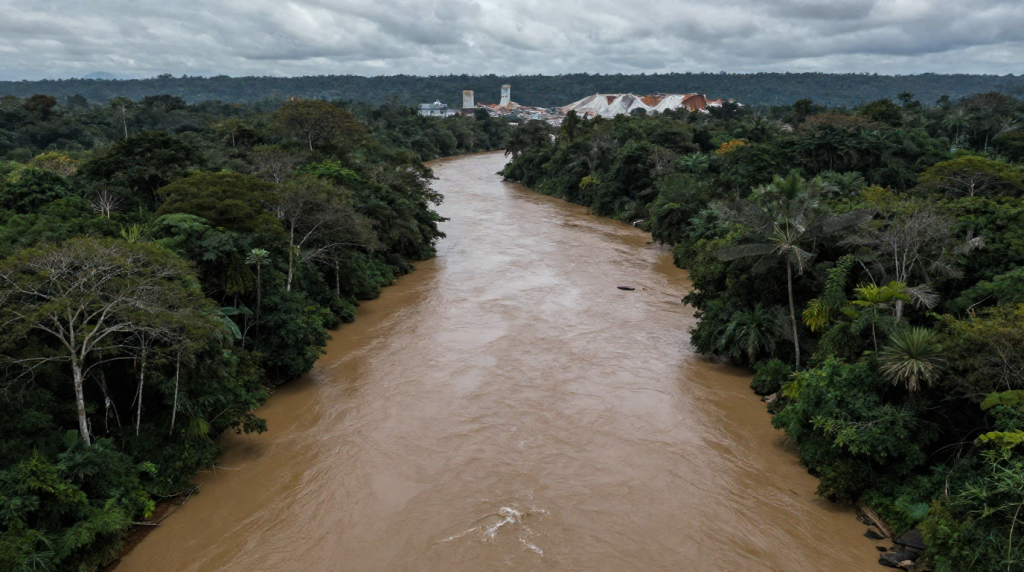
The Ancient Dream of Turning Metal Into Gold
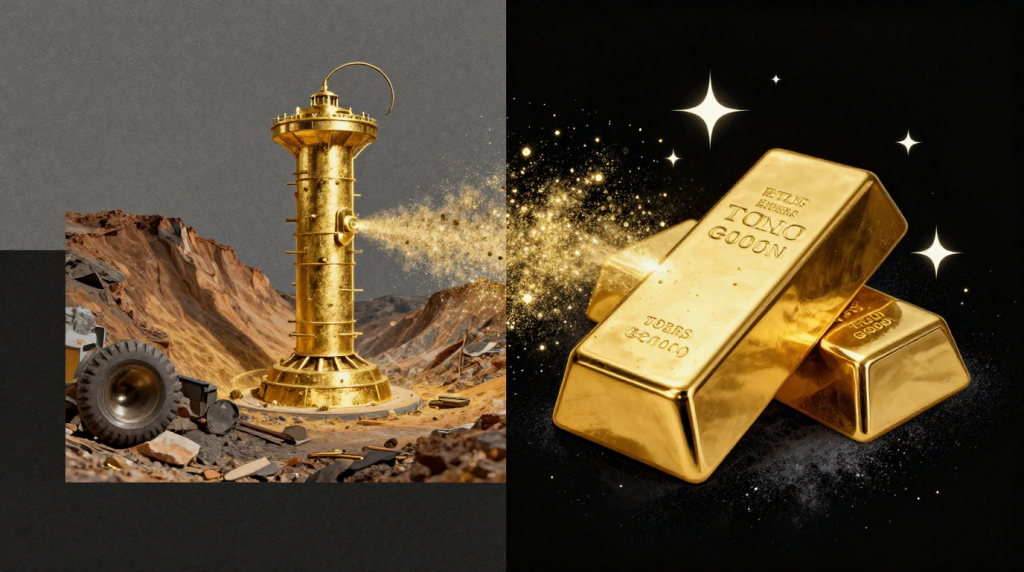
For centuries, alchemists dreamed of transforming ordinary metals into gold using mystical methods, rituals, and the legendary Philosopher’s Stone. That dream remained impossible—until modern physics showed that, technically, such a transformation could happen under extraordinary conditions. In 2025, scientists working with the Large Hadron Collider managed to produce tiny amounts of gold by accelerating lead particles to nearly the speed of light. It was not magic, and it certainly was not profitable, but it proved that a fantasy chased for thousands of years could briefly become reality inside one of the most advanced scientific machines ever built. 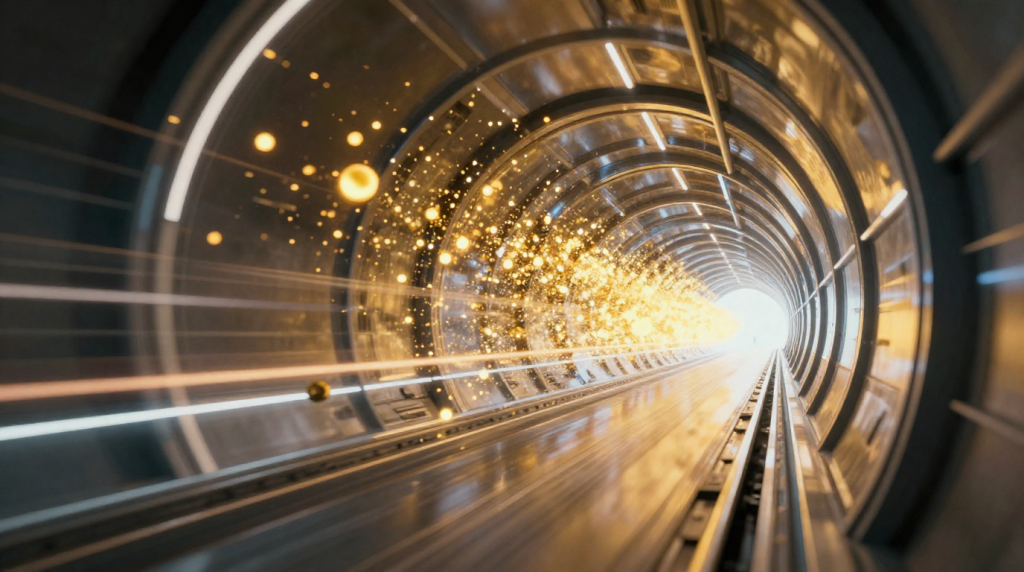
Gold That Exists for Only a Moment
Inside the collider, lead nuclei rushing past one another created intense electromagnetic effects that stripped away protons, briefly turning lead into gold. Scientists managed to create tens of thousands of gold nuclei per second, but the total amount was microscopic—far less than a grain of dust—and the particles disappeared almost instantly after colliding with the walls of the machine. So while the experiment fulfilled the technical dream of making gold, it also showed how impractical the process is. The real value of the experiment was never wealth. It was knowledge: a glimpse into the hidden laws governing matter, energy, and the origins of the universe. 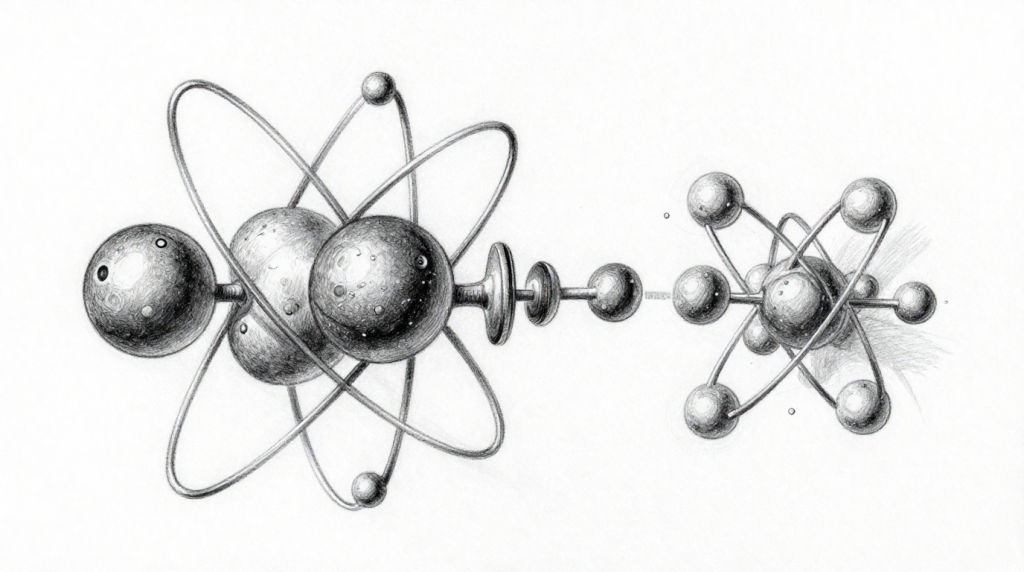
Why Scientists Chase the Impossible
The collider was not built to enrich anyone. Its true purpose is to explore the deepest questions in physics—how particles gain mass, how matter behaved after the Big Bang, and what invisible forces shape the universe. Research at the LHC helped confirm the Higgs boson, study quark-gluon plasma, and push scientists closer to understanding dark matter and the hidden architecture of reality. These discoveries may seem distant from everyday life, but history shows that strange and abstract experiments often lay the groundwork for future technologies. Just as early research into electricity once seemed mysterious and impractical, today’s particle physics may one day reshape the world in ways we cannot yet predict. 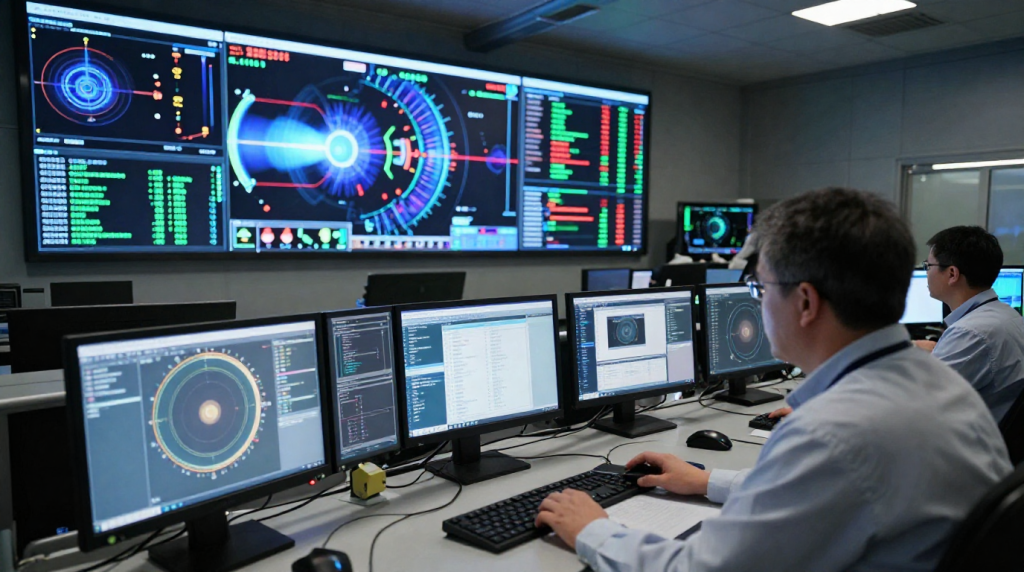
Why Gold Still Rules the Human Imagination
Gold has always held a special place in human history because it combines beauty, rarity, durability, and symbolism. It does not rust, corrode, or decay, and for centuries it has represented power, wealth, and security across cultures. That is why people keep chasing it—from riverbeds and mountain mines to laboratories and even cosmic theories about neutron star collisions. But the story of gold is never only about treasure. In New Guinea, it became a source of pain. In science, it became a tool for discovery. In both cases, gold reveals something deeper about humanity: our desire to possess what glitters, and our willingness to reshape worlds—both earthly and cosmic—in pursuit of it.