A Problem Hiding Beneath Major Cities
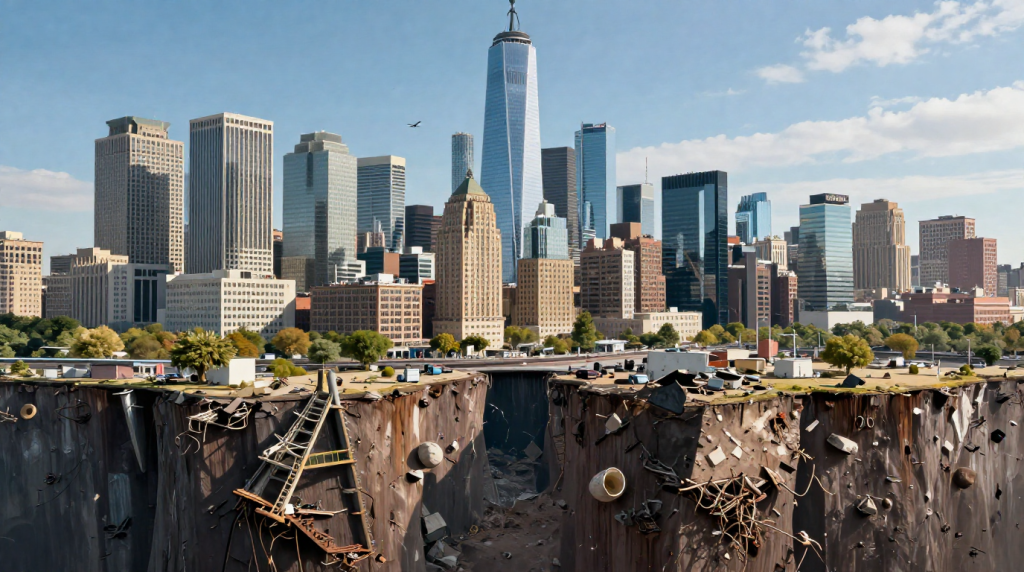
Right now, while daily life continues as usual, dozens of major American cities are slowly sinking into the ground. The process is not dramatic enough to make headlines every day, because it happens at just a few millimeters per year, but that slow movement adds up over time. Researchers have found that cities like New York, Dallas, Seattle, Houston, Chicago, and many others are all experiencing land subsidence, meaning the surface beneath homes, roads, and skyscrapers is gradually moving downward. What makes this so unsettling is not the speed, but the silence of it—because by the time the damage becomes obvious, the problem may already be deeply rooted.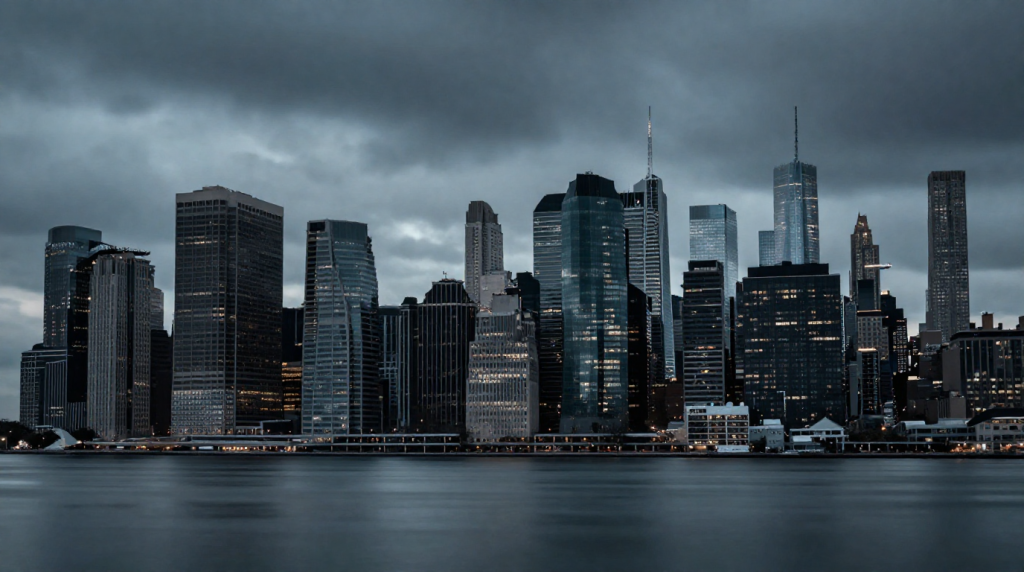
Why Slow Sinking Can Still Be Dangerous
A few millimeters per year may not sound alarming at first. A lamppost sinking slightly into the ground is hardly noticeable, and most people would never detect such a small change beneath their feet. But cities are not made of lampposts alone. They are packed with skyscrapers, highways, bridges, airports, water systems, and underground utilities, all of which depend on stable ground. The danger becomes far greater when the sinking happens unevenly. If one side of a building settles faster than the other, cracks can spread, foundations can weaken, and entire structures can become unstable. Roads can buckle, pipelines can shift, and infrastructure built to last for generations can quietly begin to fail.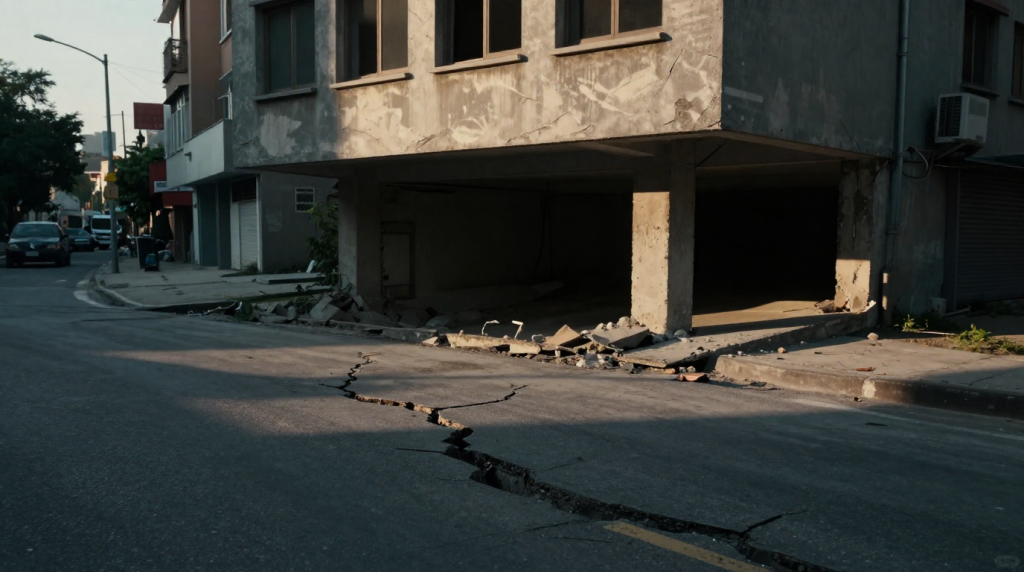
Jakarta Shows What the Future Could Look Like
A glimpse of what unchecked subsidence can do is already visible in Jakarta, Indonesia, where parts of the city are sinking so quickly that the government has decided to relocate the capital. In some areas, the land there is dropping by inches each year, and huge sections of the city already sit below sea level. Flooding has become routine, homes are cracked and damp, and residents constantly repair damage just to keep living there. The reason this matters to the United States is not because American cities are sinking as fast, but because Jakarta shows how land subsidence can turn from a hidden geological issue into a full-scale urban crisis. What starts as a few millimeters can eventually grow into something that reshapes entire cities.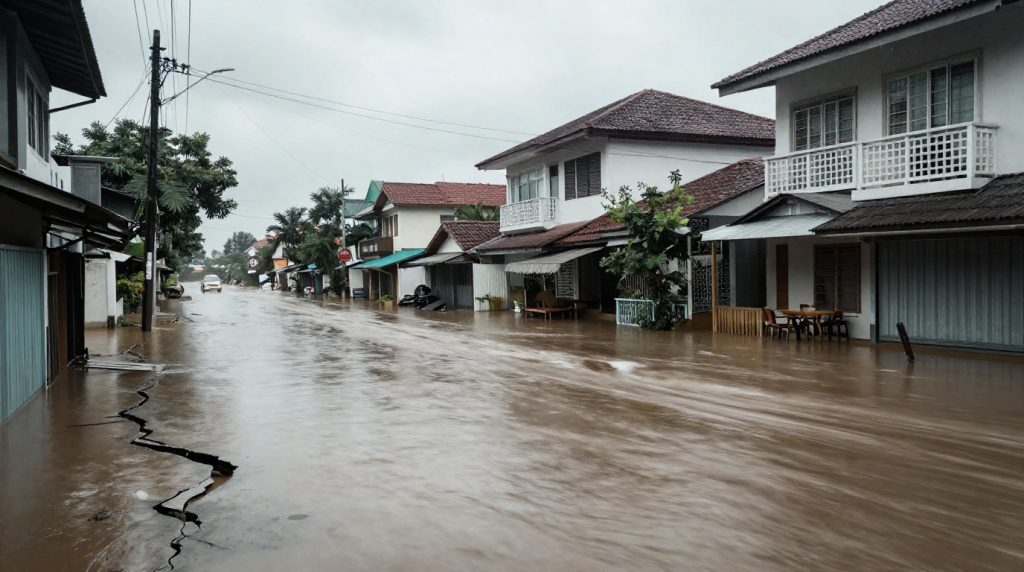
Which US Cities Are Being Hit the Hardest
Among the 28 major U.S. cities identified in the study, some are sinking faster than others. New York is going down by roughly 2.5 millimeters per year, Houston by more than 5 millimeters, Fort Worth by around 4.5 millimeters, Dallas by nearly 5 millimeters, and Chicago by just over 2 millimeters each year. In Houston, large portions of the city are sinking even faster than the average, and at LaGuardia Airport in New York, the ground is subsiding at more than 5 millimeters annually. Scientists estimate that in all 28 cities, at least 20% of urban land is sinking, and in many of them the majority of inhabited areas are affected. That means tens of thousands of buildings now stand in zones where subsidence could eventually create serious structural risks.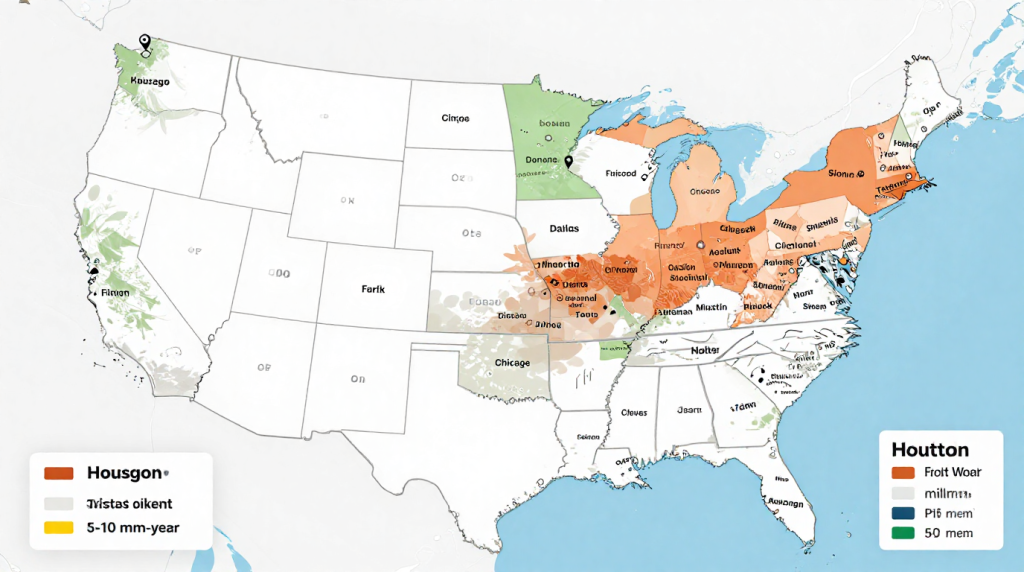
The Real Cause Is Underground Water Loss
Despite how dramatic the results look, the main cause is not simply the weight of buildings pressing the land downward. The deeper problem is groundwater extraction. As cities and farms consume vast amounts of water, authorities increasingly pump it out of underground aquifers, especially in places where rivers and lakes cannot meet demand. But when too much groundwater is removed, the soil and sediment layers beneath the surface begin to compact. It is like taking air out of a cushion—once the support is gone, the ground above slowly collapses inward. In states like California, where agriculture and drought put extreme pressure on water supplies, this process has already produced dramatic subsidence in some areas.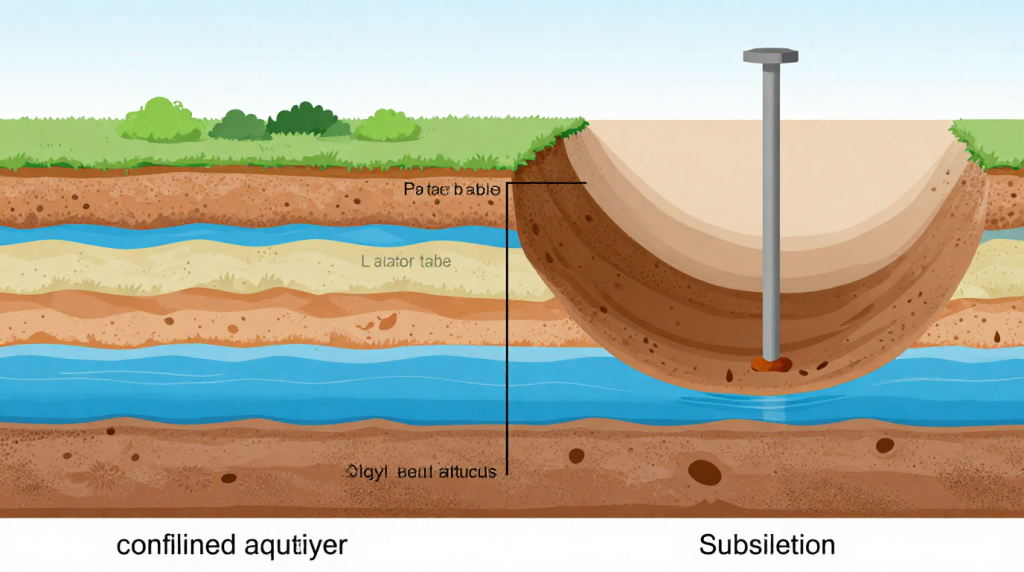
Climate Extremes Make the Threat Worse
Groundwater depletion is only part of the story. Climate stress adds even more pressure. Drought drives people to rely more heavily on underground water reserves, while heavy rainfall can weaken already unstable ground and damage infrastructure further. Hurricanes, strong winds, and repeated flooding create even more strain in vulnerable urban areas. On the West Coast, tectonic activity and earthquakes add another layer of instability beneath cities already coping with sinking land. In coastal places like Los Angeles, San Diego, and San Francisco, subsidence becomes even more dangerous when combined with rising sea levels, because the land is going down while the water is coming up. Together, these forces create a slow-moving but deeply destructive chain reaction.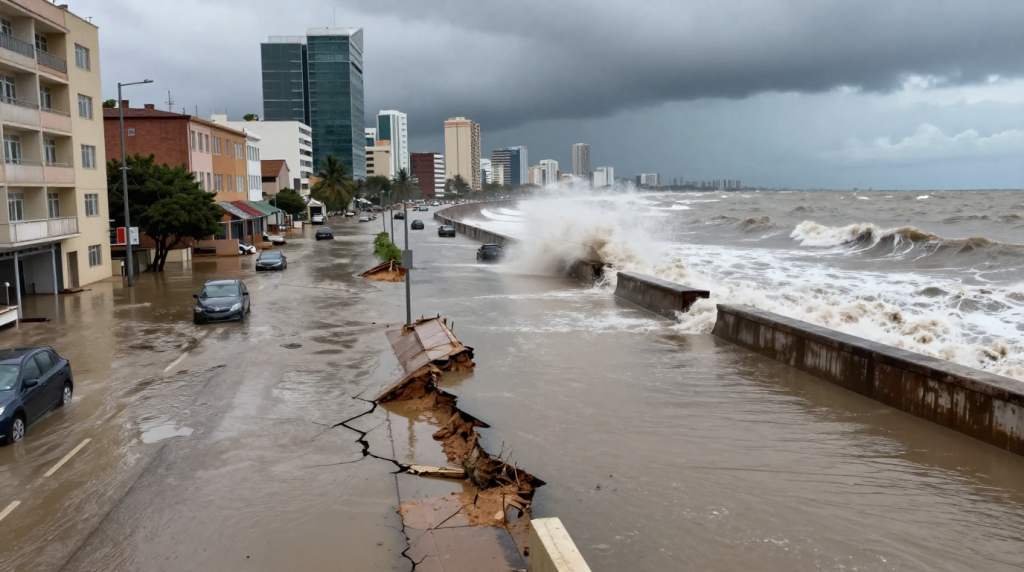
Can This Be Slowed or Even Stopped?
The most practical solutions focus on reducing dependence on groundwater. One approach is wastewater recycling, where used water from homes and cities is treated and reused instead of being discarded. Another is rainwater harvesting, which captures rainfall in urban green zones, reservoirs, or storage systems and then redirects it back into the ground. Scientists also propose recharging depleted aquifers by injecting collected water into underground layers that have been drained over time. These methods may not sound glamorous, but they could make a major difference. If cities can reduce the pressure on underground reserves, the sinking could slow significantly, and in some places, future damage might even be prevented before it becomes catastrophic.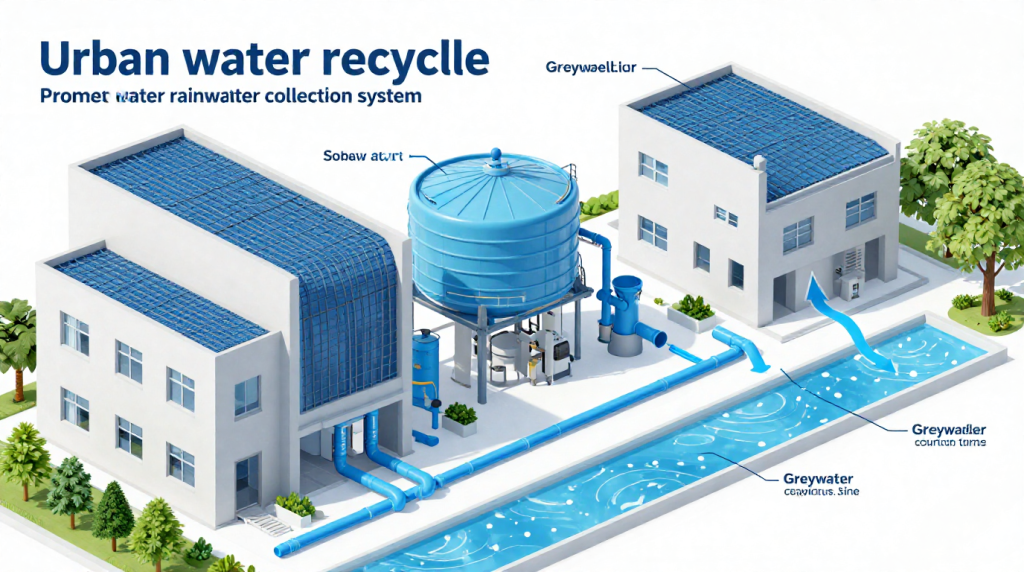
A Quiet Crisis Growing Beneath Our Feet
Land subsidence is easy to ignore because it happens slowly and invisibly. There are no daily alarms, no dramatic countdowns, and no single moment when a city suddenly falls. But that is exactly what makes it dangerous. Beneath some of the most important cities in the United States, the ground is gradually shifting, weakening the foundations of everything built above it. And as populations grow, water demand rises, and climate pressure intensifies, the strain on these cities will only increase. The real danger is not just that the land is sinking—it is that society may keep treating it like tomorrow’s problem until tomorrow arrives all at once.