A World Where Seas Are Rising—Except Here
Across the globe, melting glaciers are pushing sea levels higher and threatening coastlines. But Greenland is behaving in a surprisingly different way. Instead of sinking under rising waters, parts of the island may actually rise above the ocean. This strange phenomenon comes from a powerful combination of physics, geology, and gravity—all triggered by the melting ice itself.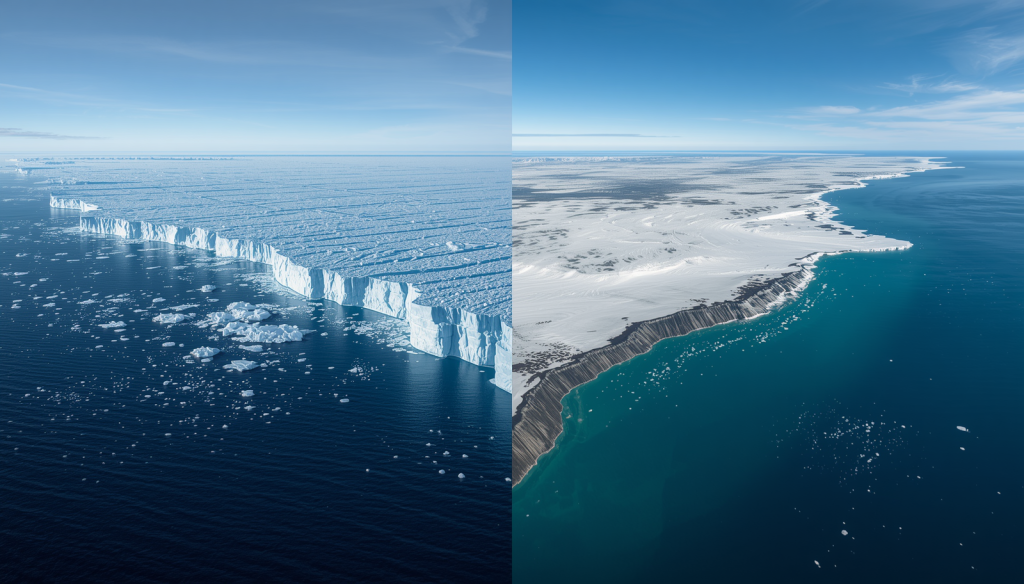
The Crushing Weight of Ice
Greenland is covered by a massive ice sheet that blankets about 80% of the island and stretches over 660,000 square miles. In some areas, the ice is more than a mile thick, pressing down on the land beneath it. Over thousands of years, this enormous weight has pushed the Earth’s crust downward, causing parts of Greenland to sink below sea level.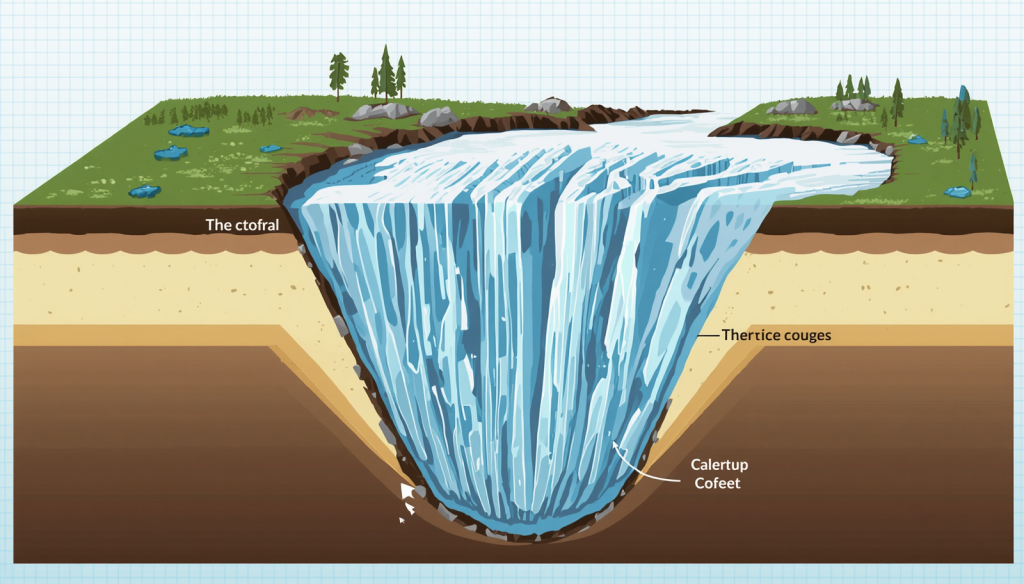
When the Earth Pushes Back
As the ice melts, billions of tons of weight are lifted off the land. This allows the Earth’s crust to slowly rebound, like a compressed spring returning to its original shape. Scientists call this process “isostatic rebound,” and in Greenland, it’s happening faster than expected. Some regions could rise by several feet within this century.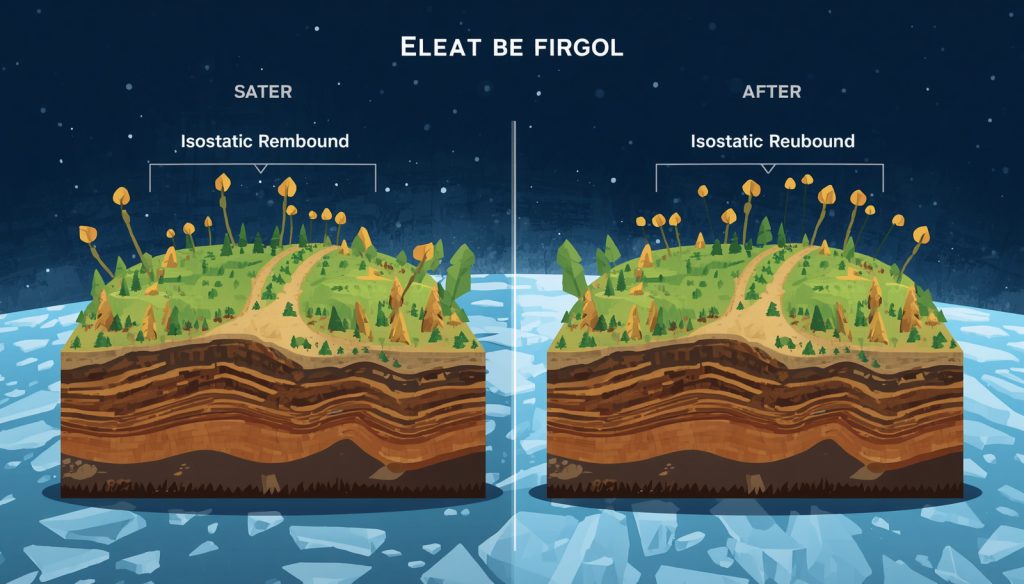
Gravity’s Hidden Influence on Oceans
Greenland’s massive ice sheet doesn’t just weigh down land—it also pulls ocean water toward it through gravity. As the ice melts and loses mass, this gravitational pull weakens. The result? Water actually moves away from Greenland’s shores, adding to the effect of rising land and making local sea levels drop.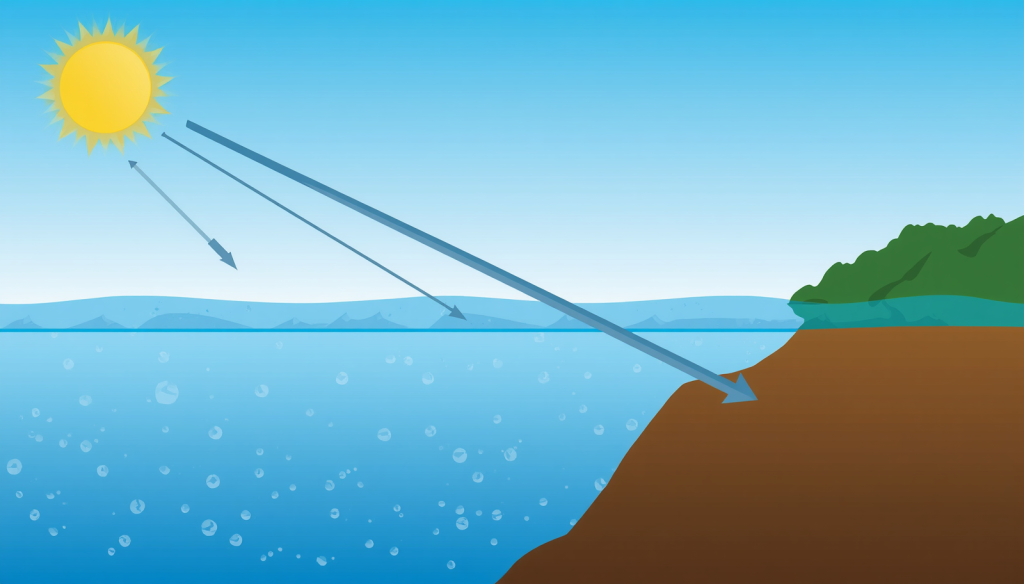
A Faster-Than-Expected Geological Shift
New research suggests that Greenland’s rebound may be accelerated by conditions deep beneath the surface. In southeast Greenland, ancient geological activity—possibly linked to a hotspot known as the Iceland Plume—has left the underlying rock softer and more responsive. This allows the land to rise more quickly than scientists once believed.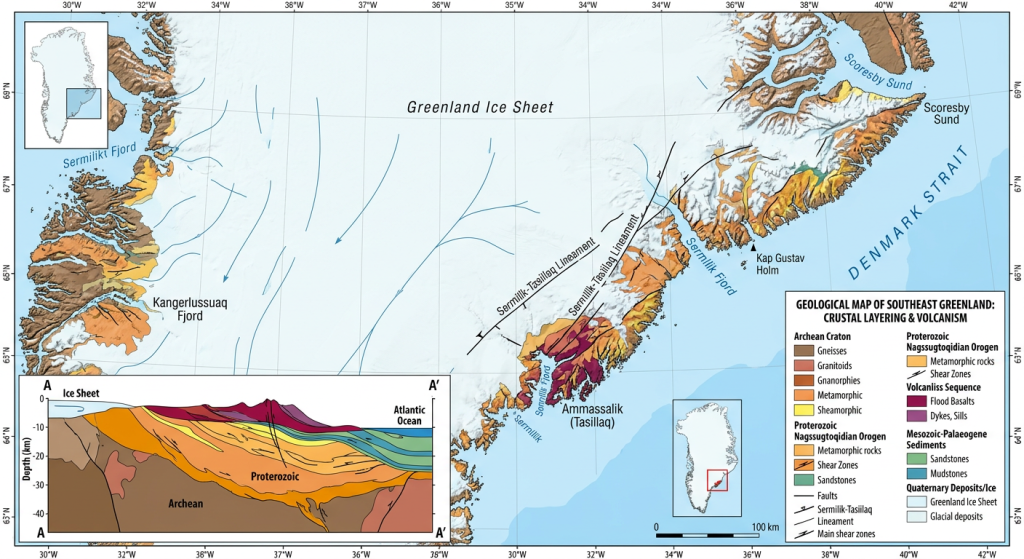
Secrets Hidden Beneath the Ice
Beneath Greenland’s ice sheet lies a hidden world. Scientists have discovered a विशाल canyon stretching 460 miles—longer than the Grand Canyon—cutting through the island below the ice. There are also signs that Greenland was once lush and green, with soil and plant remains buried beneath the frozen surface.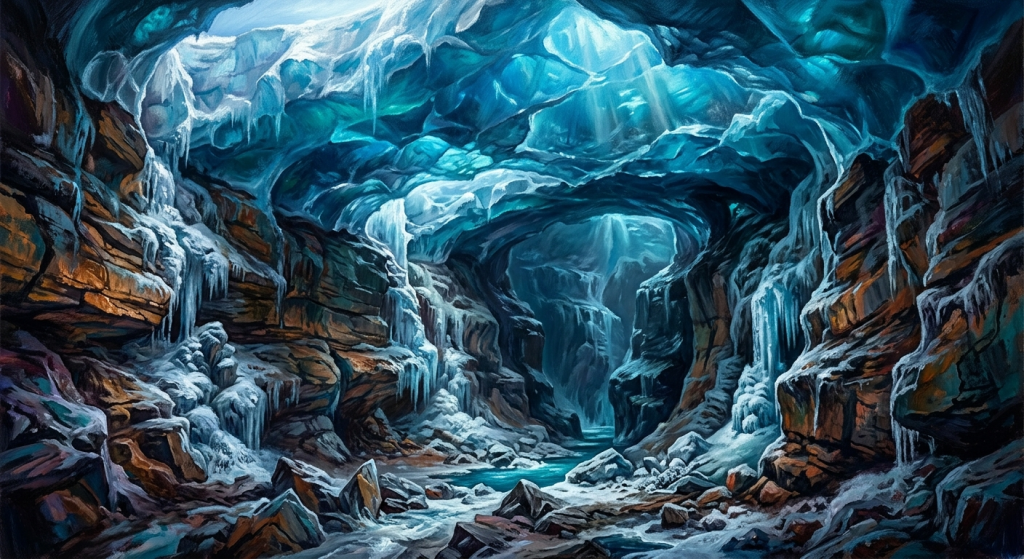
A Cold War Base Reemerges
As the ice melts, it is revealing long-lost human structures. One of the most surprising is a secret military base from the 1960s, built deep בתוך the ice and powered by a nuclear reactor. Known as Project Ice Worm, it was abandoned after shifting ice crushed its tunnels. Now, decades later, the melting ice is slowly exposing its remains.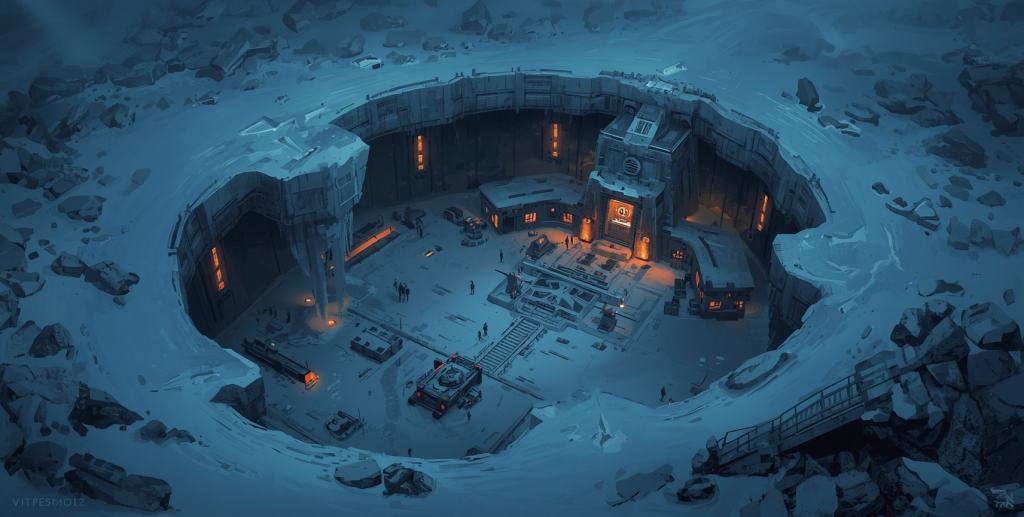
Melting Ice Is Changing the Planet’s Spin
The effects of Greenland’s melting go far beyond the island itself. As massive amounts of ice melt and water redistributes toward the equator, Earth’s rotation slightly slows down. Like a spinning skater extending their arms, the planet takes a bit longer to complete each rotation—meaning our days are becoming slightly longer.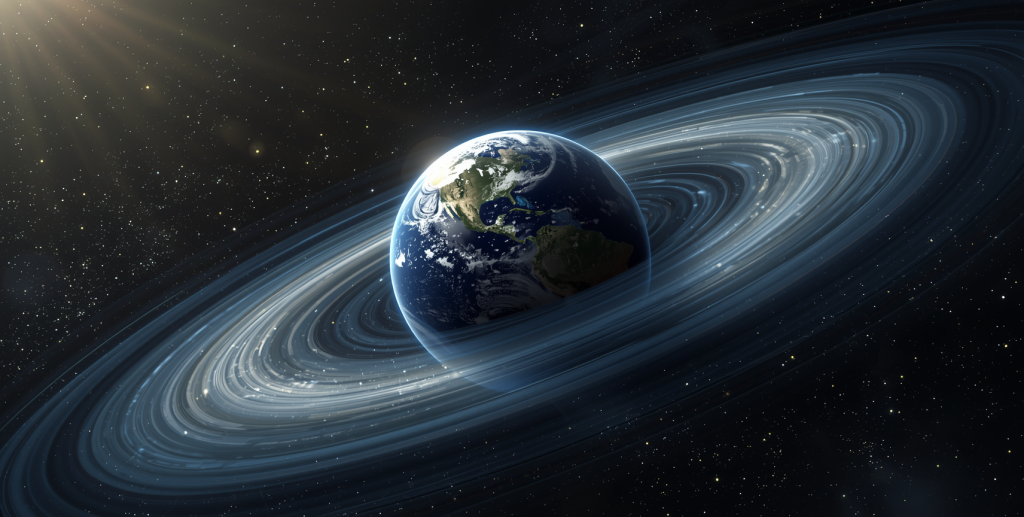
Coastlines in Flux
For Greenland’s coastal communities, rising land brings new challenges. Harbors may become too shallow for ships, forcing towns to constantly adjust. New islands and rocks can emerge, changing navigation routes and making familiar waters unpredictable.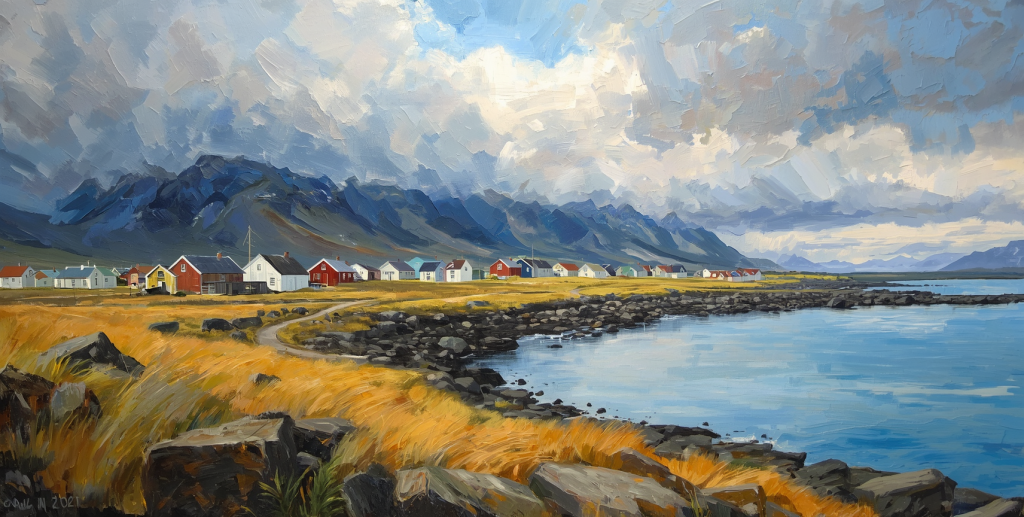
Glaciers That Shake the Earth
Greenland’s glaciers are constantly moving and breaking apart. When massive chunks of ice crash into the ocean, they can trigger glacial earthquakes. These vibrations travel across the planet and can be detected thousands of miles away, showing just how powerful these icy movements can be.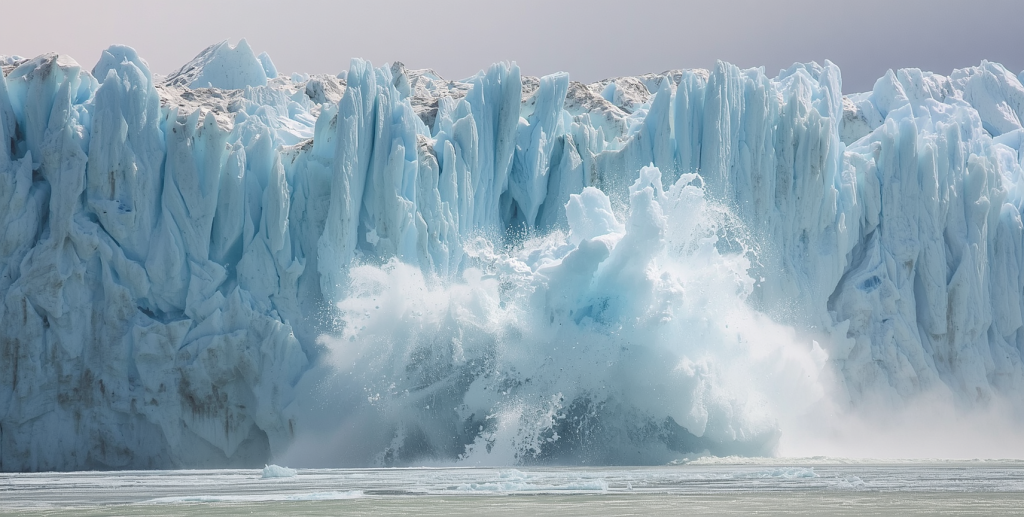
When Mountains Collapse and Oceans Shake
In 2023, a massive landslide in East Greenland sent huge amounts of rock into a narrow fjord, displacing water with incredible force. The result was a powerful oscillation that caused the Earth itself to vibrate continuously for nine days—an extraordinary reminder of how dynamic this frozen region can be.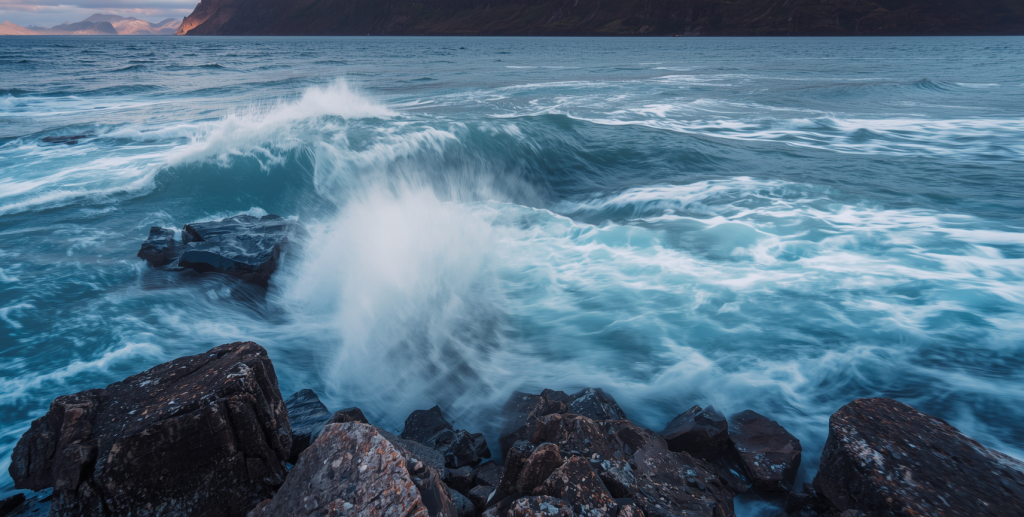
The Strange Case of Pink Snow
Not all melting is caused by heat alone. In warmer conditions, algae bloom on the snow’s surface, turning it pink—often called “watermelon snow.” This darker surface absorbs more sunlight, speeding up the melting process and creating a feedback loop that accelerates ice loss.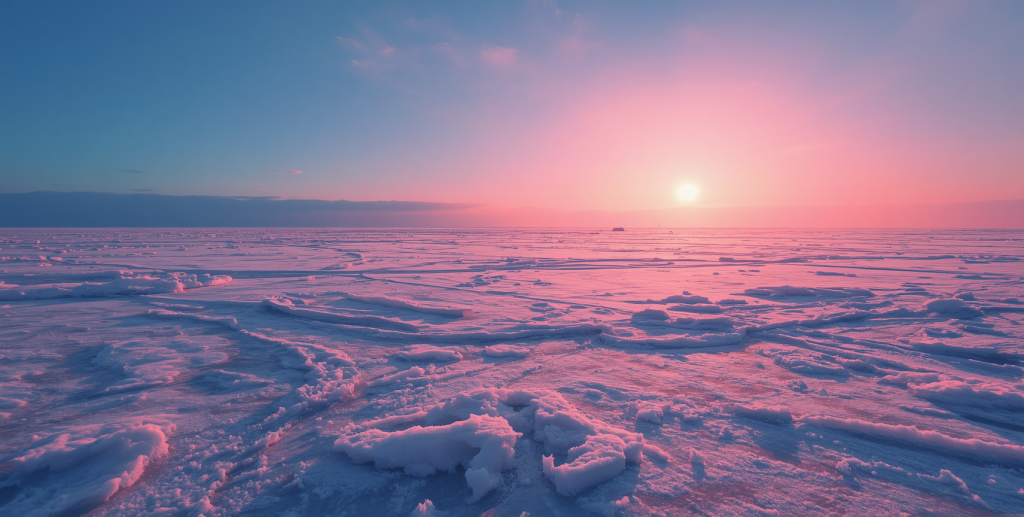
Tiny Holes, Big Impact
Dust, soot, and microbes settle on the ice, forming dark clusters that absorb sunlight. These create small pits called cryoconite holes, which melt deeper into the ice and can even host tiny ecosystems. Over time, millions of these holes weaken the ice surface, contributing further to melting.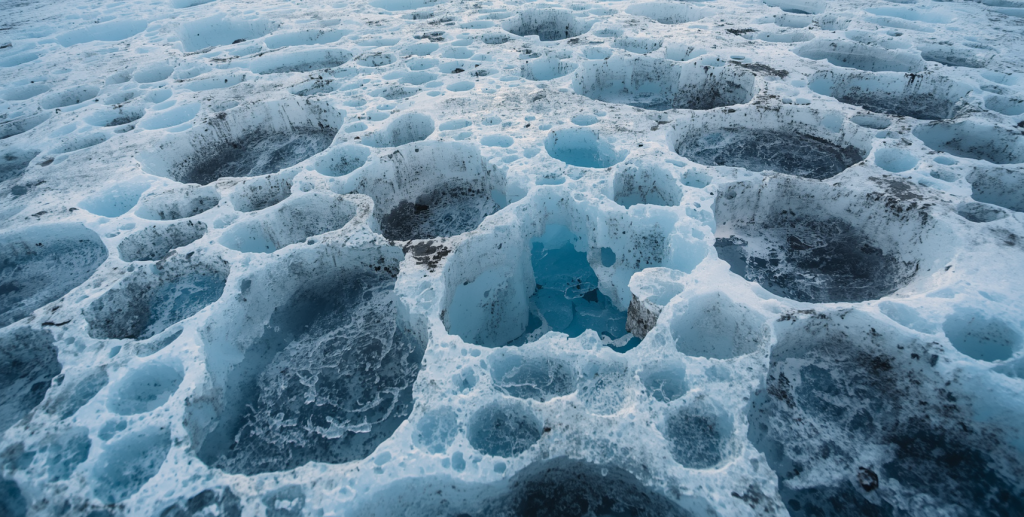
A Chain Reaction Hidden in Ice
What seems like a contradiction—melting ice causing land to rise—is actually part of a complex chain reaction. As Greenland loses ice, the land rebounds, gravity shifts ocean water, and even the planet’s rotation is affected. This frozen island reveals how deeply interconnected Earth’s systems truly are.