A Fiery Return Scientists Wanted to See
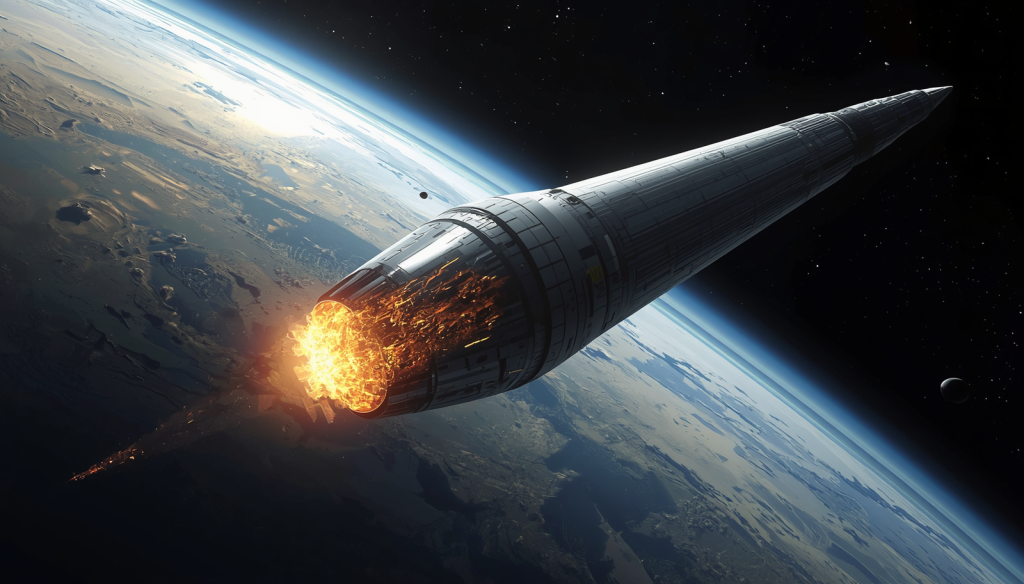
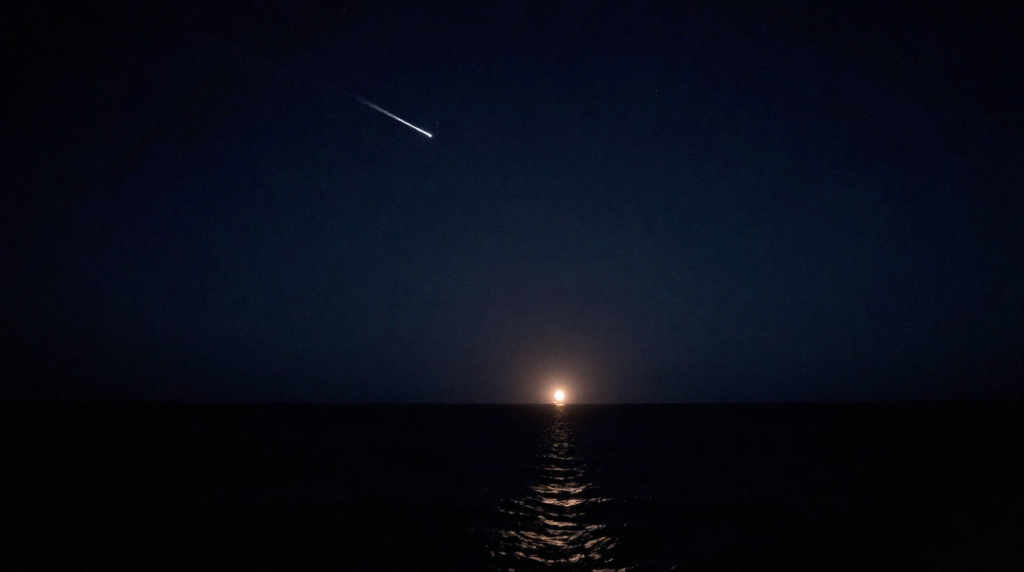
Back in 2024, scientists boarded a plane to witness the final plunge of a satellite called Salsa as it re-entered Earth’s atmosphere. They expected a dramatic fireball, but because the event happened during daylight, what they saw looked more like a chain of faint flashes lasting only about 15 seconds. Even though the visual display was weaker than expected, the mission revealed something much more important: as the satellite burned up, it released chemical compounds such as lithium, potassium, and aluminum into the upper atmosphere. That discovery raised a worrying question—how much of that material stays suspended high above Earth, and how much eventually falls back down as tiny particles that could contribute to pollution?
What Really Happens During Reentry?
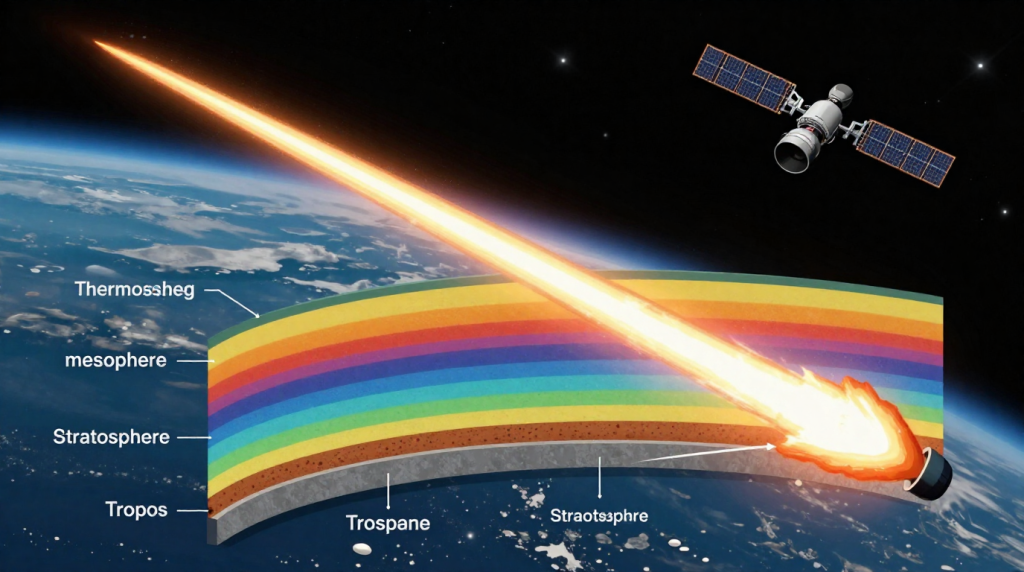
Most people imagine satellite reentry as a simple process: an object falls into the atmosphere, heats up, catches fire, and burns away. But in reality, scientists still do not fully understand what happens during those final moments. They are still studying how satellites heat up, how they break apart, which materials vaporize, and which pieces survive the fall. The challenge is that this all happens in a hard-to-observe region of the atmosphere, too high for balloons and too low for satellites in orbit to monitor clearly. That makes reentry one of the most difficult events in space science to study directly, even though it is becoming more common every year.
Why Predicting a Falling Satellite Is So Hard
One of the biggest problems is that the upper atmosphere changes constantly. Its density rises and falls, which affects how much drag a falling satellite experiences. Even a tiny miscalculation can change the reentry time by minutes, and because satellites are moving so fast, a few minutes can shift the predicted location by thousands of miles. On top of that, a tumbling satellite behaves differently depending on how it spins. If it turns sideways, it catches more air and slows down. If it points forward, it cuts through the atmosphere faster. That is why experts often cannot predict the exact landing zone until very shortly before reentry happens.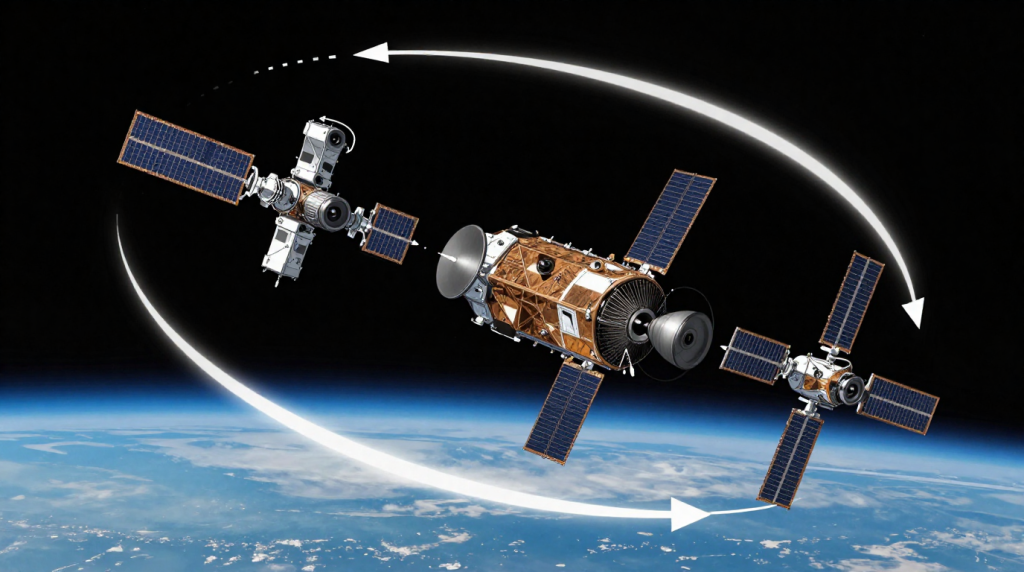
How Scientists Choreographed Salsa’s Final Dive
To make observations possible, the European Space Agency planned Salsa’s reentry far in advance and guided its orbit so it would come down over a remote part of the South Pacific Ocean. This was done to minimize risk to people while allowing researchers to track the event from a Falcon 900 jet equipped with more than 20 scientific instruments and cameras mounted at every window. Their goal was to capture a satellite’s destruction up close and gather rare data on how and when it breaks apart. Although the atmosphere behaved differently than expected and Salsa began breaking up earlier than planned, the team still managed to spot it with infrared cameras and record its descent—making the mission a major scientific success despite the uncertainty.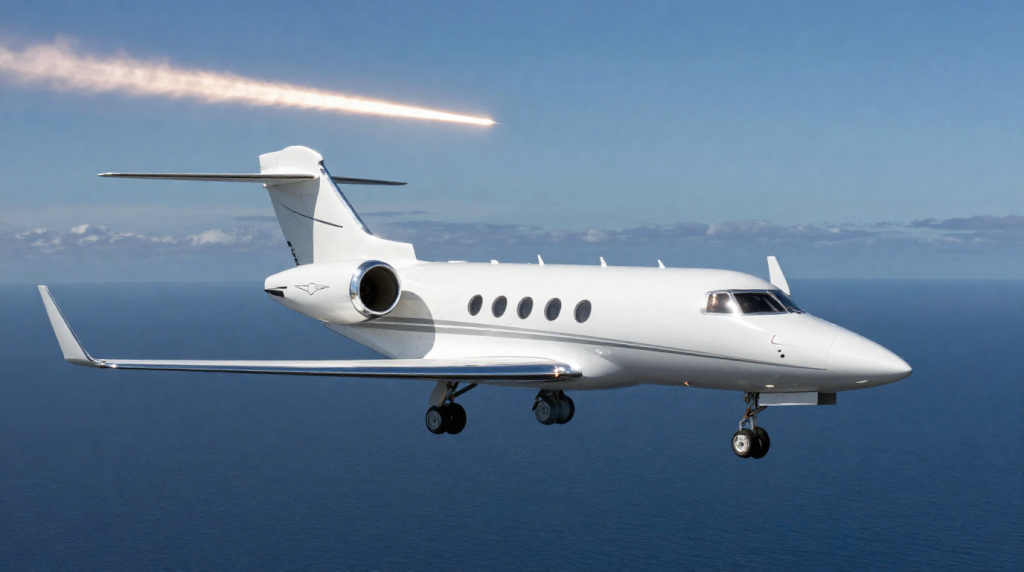
A Satellite That Kept Talking While It Burned
One of the most surprising discoveries came when scientists realized that Salsa continued transmitting signals even after it had dropped deep into the atmosphere at extreme speed. That meant the spacecraft was still functioning, at least briefly, during a stage when many researchers assumed communication would already be impossible. This rare data offered a direct look at how a spacecraft behaves under incredible heat, pressure, and drag during reentry. But even with those 15 seconds of footage and the onboard data, many questions remained unanswered, which is why scientists decided they needed to do it again with Salsa’s nearly identical sister satellites.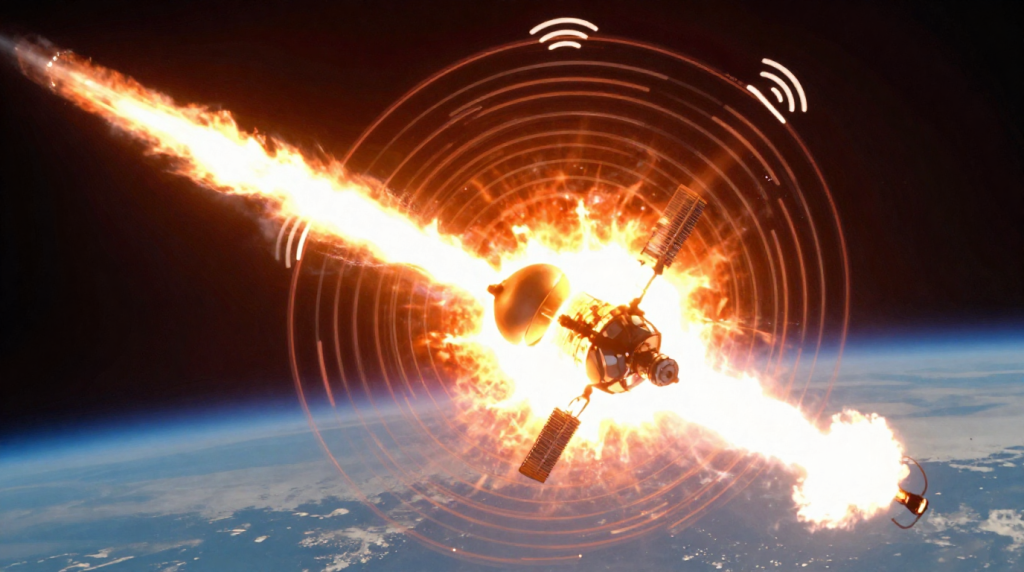
Why More Reentry Experiments Are Coming
The European Space Agency plans to observe the final descents of Salsa’s twin satellites, Samba and Tango, in 2026, using similar methods to gather clearer and more complete data. Then, in 2027, it hopes to go even further with a mission called Draco, a small satellite loaded with around 200 sensors and four cameras, built specifically to dive into the atmosphere on purpose just hours after launch. These missions are designed to reveal exactly how spacecraft materials heat up, fracture, melt, and release chemicals into the atmosphere. The more scientists learn from these controlled experiments, the better engineers can design satellites that burn up more safely and leave behind less harmful debris.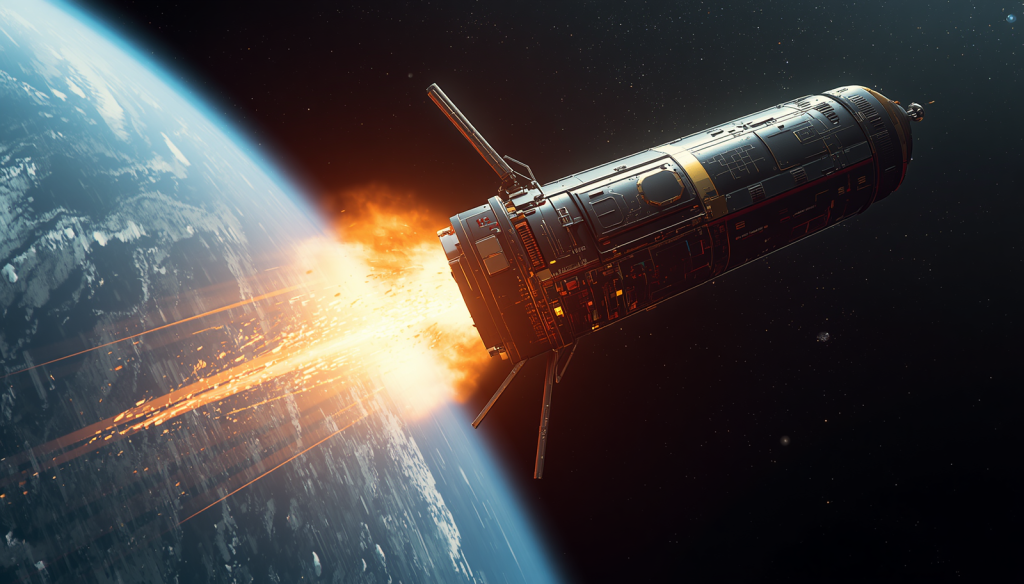
Why This Matters More Than Ever
These studies are not just scientific curiosities. Roughly three satellites reenter Earth’s atmosphere every day, and the number keeps rising as more spacecraft, rocket parts, and fragments accumulate in orbit. Thousands of active and inactive satellites now circle the planet, along with millions of smaller debris particles. Most of the time, Earth’s atmosphere destroys falling objects before they reach the ground. But not always. Some fragments survive, and researchers are increasingly concerned about both the physical danger of debris striking people or aircraft and the environmental effects of repeated reentries releasing aluminum and other materials into the atmosphere.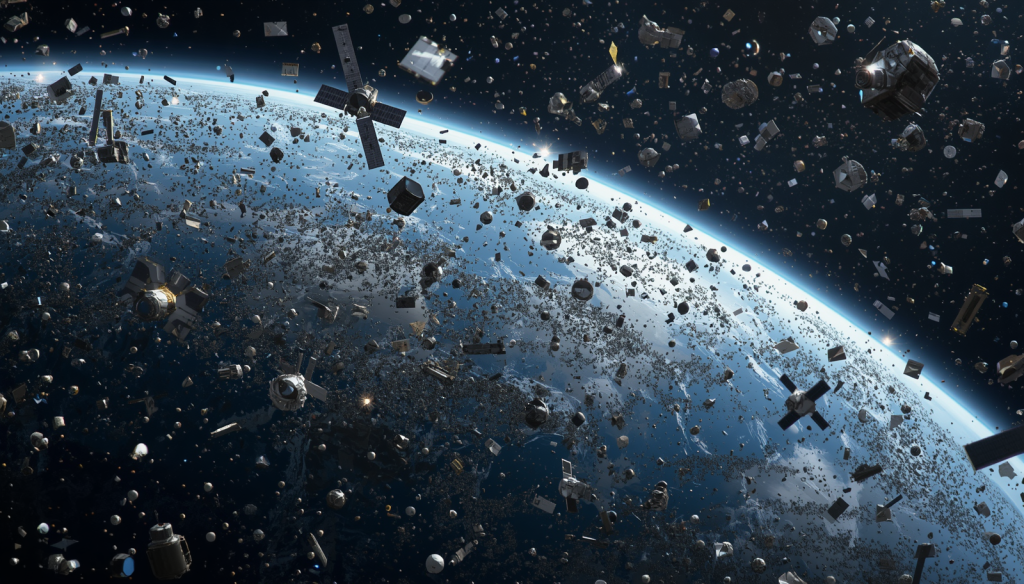
The Push for Safer, Zero-Debris Spacecraft
In the long run, these missions could help engineers build a new generation of satellites designed to disappear completely during reentry, without leaving dangerous fragments behind or adding unnecessary pollution to the atmosphere. That would make spaceflight safer not just for people on the ground, but for the environment as well. What looks like a satellite burning up in the sky is actually a test of how humanity will manage an increasingly crowded orbit around Earth. As more objects are launched into space, understanding reentry is no longer optional—it is becoming essential for keeping both outer space and our own planet safer.